The Science Behind Aluminum-Free Deodorant
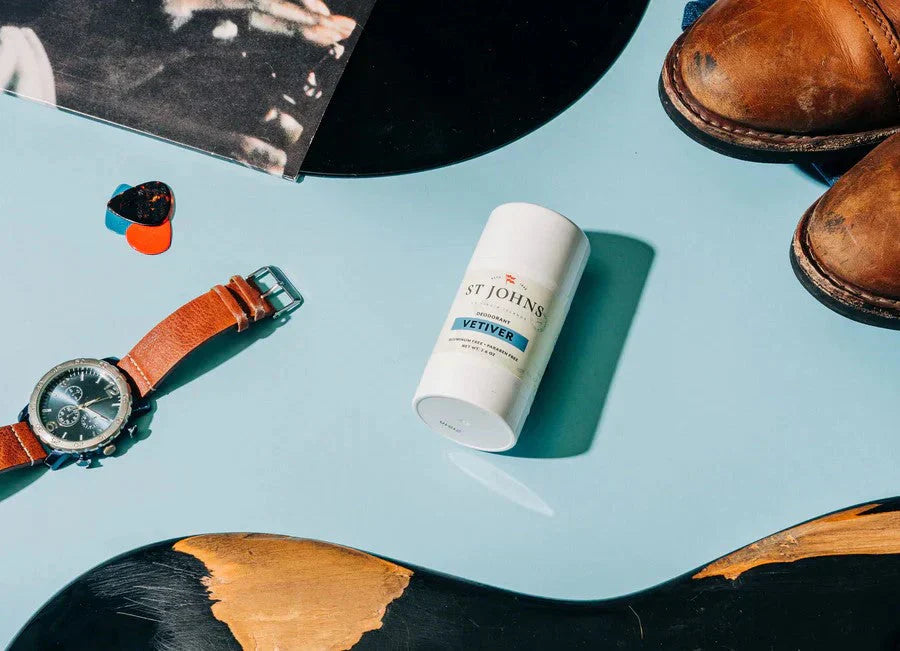
People read labels differently now. We want daily essentials that feel clean, work consistently, and fit the rhythm of real mornings. That shift has pushed aluminum-free deodorant from niche shelves to everyday counters, while the same question keeps coming up: how does it control odor without blocking sweat?
We’ll keep the science simple. Below, we break down what causes underarm odor, how aluminum-free deodorant does the job, which ingredients matter most, and the small application tweaks that keep performance steady day after day.
Why Aluminum-Free Deodorant Has Become A Big Deal
Talk around deodorant has shifted. It's less about halting sweat no matter what and more about partnering with your body. The “aluminum-free” label can be confusing, since deodorant and antiperspirant get swapped in conversation, yet they serve separate purposes.
Antiperspirants use aluminum salts to form temporary plugs in sweat ducts, preventing sweating. Deodorants curb odor, allow sweat to evaporate as nature intends, and maintain freshness, which is why aluminum-free deodorants feel off initially.
Deodorant vs. Antiperspirant: The One Difference That Explains Everything
Simpler grooming means understanding your body first. Let's unpack sweat and how odor forms.
What Sweat Is And Why Your Body Makes It
Sweat serves as your body's built-in coolant, mostly water and salts to handle heat or stress. It kicks in whenever balance calls for it.
Why Sweat Doesn’t Smell On Its Own
Fresh sweat stays scent-free, basically salt water sitting on skin. Body odor forms when bacteria break down sweat and skin secretions over time.
What Antiperspirant Does
Aluminum salts form plugs in sweat ducts, limiting surface moisture. With less wetness available, bacteria have fewer resources, and odor fades naturally from that.
What Deodorant Does
Aluminum-free deodorants target odor directly by tackling bacteria, absorbing excess moisture, and neutralizing odors. Your body's cooling process continues to run smoothly.
Once that distinction is clear, the rest becomes a lot simpler.
The Real Science Of Body Odor: What’s Happening Under Your Arms
Body odor builds from daily factors. Understanding them helps you choose a deodorant that holds steady through long days.
The Skin Microbiome Factor
Underarms are a warm, damp environment that bacteria love. Your skin carries its own bacterial mix, so what works for one person might fall short for another.
Moisture, Friction, and Fabric
Physics joins the mix. Sweat plus snug synthetics crank up heat and chafing, trapping wetness right against skin to boost bacteria and spark itch.
Why Stress Sweat Can Smell Stronger
Not all sweat lands the same. Eccrine glands pump watery fluids to cool you off, but apocrine glands release thicker secretions, rich in proteins and fats. Bacteria feast there, creating a stronger odor.
Once you spot the pattern, choosing the right formula gets much easier.
How Aluminum-Free Deodorant Works
Daily routines call for a deodorant that teams up with your skin. Here's how these formulas deliver without aluminum.
It Reduces Odor-Causing Bacteria
Key ingredients such as magnesium hydroxide, zinc compounds, and baking soda help keep bacterial numbers in check. They cut the breakdown that sparks tough smells right from the start.
It Changes Skin Conditions That Odor Bacteria Prefer
Bacteria thrive in certain spots. Magnesium compounds can help shift skin conditions that odor-causing bacteria prefer.
It Absorbs Moisture So You Feel Drier
Arrowroot or corn starch soaks up sweat on the surface. You stay comfortable, with less dampness feeding odor along the way.
It Neutralizes Odor Molecules
Certain elements snag odor compounds before they spread. Think of it as sealing in the source, not covering it over.
It Adds Fragrance
Scent polishes things off lightly. Top picks lean on real fixes first, with fragrance-free versions proving clean comes without heavy perfume.
These steps build lasting freshness. Reliable choices follow closely.
The Ingredient Breakdown: What Does What

Smart deodorant leans on time-tested elements. Here's what powers aluminum-free formulas best.
Baking Soda (Sodium Bicarbonate)
What it does: Creates an alkaline environment that bacteria hate, offering strong odor control.
Why results vary: Strong odor control, but it can feel intense on freshly shaved or sensitive skin.
Best for: Those who want maximum odor control and tolerate stronger actives.
Magnesium Hydroxide
What it does: Provides effective odor control, significantly gentler than baking soda.
Best for: Fussy skin types. Power without bite keeps things calm.
Zinc Compounds (Common In Odor Control)
What they do: React with sulfur compounds, causing bad smells, neutralizing them effectively.
Best for: No-fuss days needing quiet reliability. Smooth, no rough edges.
Starches And Powders (Arrowroot, Tapioca, Corn Starch)
What they do: Act like sponges in the deodorant game. Absorb surface moisture so you feel drier and more comfortable.
Best for: Sweaty workouts or sticky weather. They help reduce that damp feel, especially in heat or during workouts.
Clays And Charcoal (Kaolin, Bentonite, Activated Charcoal)
What they do: Pull double duty by soaking up moisture and catching impurities and odors.
Best for: They help reduce that damp feel, especially in heat or during workouts.
Botanical Oils And Extracts (Varies By Formula)
What they do: Support freshness with oils like sage, eucalyptus, hops, and a fresh, aromatic finish.
Watch-outs: These can be potent. Sensitive spots might flare if careless.
These ingredients are the backbone of aluminum-free performance; pick the right mix, and staying fresh feels effortless.


Why Aluminum-Free Doesn’t Always “Work” Right Away
New habits take some settling in. Aluminum-free shifts bring a short adjustment that most folks push through.
The Adjustment Period Is Usually About Habit And Skin Conditions
Switching upends your underarm balance. Aluminum plugs vanish, moisture flows freer, and skin finds its rhythm again. That brief reset lets your body catch up to the change.
The “Detox” Myth Vs What’s Actually Happening
“Detox” is a catchy word, but it’s not what’s happening. What most people notice is a reset in moisture and odor patterns once they stop using sweat-blocking aluminum salts. Give your skin a little time, apply to clean, fully dry underarms, and results usually settle into a more consistent rhythm.
Your Old Routine Might Be Working Against You
Damp skin before swiping, piling on layers, or skipping a fresh wash all stack the odds wrong. Heavy-scented washes clash, leading to irritation or weak results.
Nail the basics, and it clicks. Strong picks wait ahead.
How To Choose The Right Aluminum-Free Deodorant For Your Body
When you match deodorant to your sweat level, skin type, and stress triggers, the results actually last.
If You Sweat A Lot But Mainly Want Odor Control
If you sweat a lot but your main goal is staying fresh, look for aluminum-free deodorants that pair strong odor-control actives (like baking soda or zinc compounds) with absorbent powders, so they stay steady through long, real-life days without relying on heavy fragrance.
If You’re Sensitive, Shave Often, Or Get Redness Easily
Gentle touch matters most here. Opt for magnesium actives over baking soda, plus fragrance-free to dodge irritation entirely.
If You Live In Heat Or Humidity
Moisture rules humid spots. Powder-heavy blends keep things dry and comfy by tackling surface sweat head-on.
If You’re Odor-Prone Under Stress
Stress sweat hits harder. Choose strong neutralizers that kill pungency at the root, skipping weak cover-up scents.
The right fit turns doubt into routine.
How To Apply It So It Performs Better
Small tweaks lift aluminum-free deodorant from good to great. Master these for steady all-day results.
Start With Clean, Fully Dry Skin
Dry skin lets it bond right. Leftover water blocks contact, so towel off thoroughly first.
Use The Right Amount
Balance matters. Too little falls short, too much cakes up and holds dampness in. Two swipes hit the mark most days.
Let It Set Before Dressing
Pause for a minute after swiping. It warms to your skin, cuts cloth transfer, and lasts longer that way.
Reapply Strategically
These won't stretch to two days like heavy antiperspirants. Refresh mid-day for long hauls, workouts, or sticky weather.
Dial these in, and aluminum-free stops feeling “hit or miss” and starts feeling like part of your daily uniform.
Common Issues And Simple Fixes

Troubles happen, but fixes stay simple. Dial in these tweaks for smooth wear every time.
“It Works, But I Feel Wet”
Top gripe with a quick solve. Shift to arrowroot or clay boosters for better soak-up, or refresh midday.
“It Irritates My Skin”
Baking soda or oils often spark this. Go with magnesium or sensitive blends; always post-dry-shave.
“It Leaves Residue On Shirts”
Over-application clogs things. Swipe lighter, wait to dress, pick clear-finish types.
“It Stops Working By Afternoon”
Chemistry outruns weak scents. Look for zinc or charcoal when you need stronger odor control that stays steady into the afternoon.
Handle these few common hiccups, and your deodorant goes from “pretty good” to dependable, day after day.
Stay Fresh Without Blocking Sweat
Aluminum-free deodorant works best when you stop expecting it to shut down sweat and start using it to manage odor with a cleaner, steadier finish. Match the formula to your skin, apply it to clean, fully dry underarms, and let it set before dressing. When the feel is right and the scent sits close, it becomes automatic.
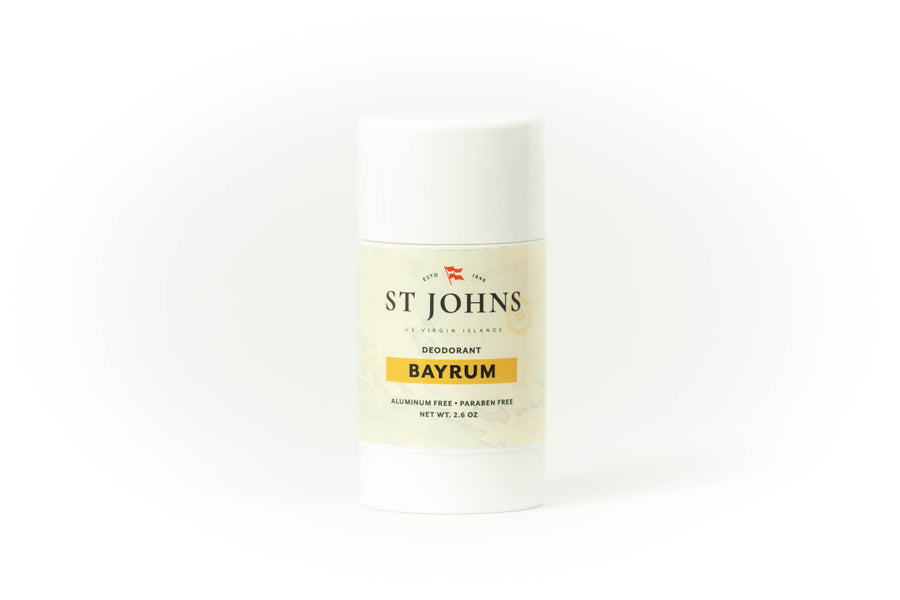
Explore our Aluminum-Free Deodorant collection and choose the scent that wears clean through real life.