Fragrance Notes Explained: How to Read a Cologne Description Like a Pro

Cologne descriptions can feel like a foreign language, yet they are meant to help you choose well. Once we read them in the correct order, we can predict vibe, season, and wear time with surprising accuracy. A minute of reading saves months of regret.
In this blog, we break down cologne descriptions into a simple system: identify the scent category first, read notes like a timeline, and use base notes as your “will I still like this later?” filter, so you can predict vibe, season, and wear time before you ever spray.
Why Cologne Descriptions Feel Confusing (And Why They Don't Have To)
We read “bergamot, vetiver, amber” and still can’t picture it on skin because notes shift with chemistry, weather, and application. Our goal is to translate that language into real expectations for projection, mood, season, and wear time.
A description is a map, so once we know a few rules, the mystery fades, and buying feels simple.
The Fragrance Pyramid in Plain English
Top notes are what we smell first; they are bright but fade quickly. Heart or middle notes are the main characters, carrying the scent throughout most of the day. Base notes sit deepest and shape longevity, warmth, and that final skin-scent identity.
Most people judge too early, so we wait for the heart and base before we decide. When we do that, the whole description makes sense as a timeline.
Notes vs. Ingredients: What You're Actually Reading
Fragrance notes describe impressions, not ingredients, much like tasting notes on whisky. Many are built from accords, blended materials that create ideas like "amber," "leather," or "fresh linen." When we read a note list, we are reading storytelling shorthand that hints at how the scent is shaped.
This shift helps us see the whole picture instead of chasing single words, and that is how pros cut through marketing and stay consistent.
Step 1: Identify the Scent's Category First (Before You Obsess Over Notes)

Before we zoom into notes, we name the category because it tells us more, faster. Think of it as choosing the genre before judging the plot.
-
Fresh/Citrus usually means crisp, bright, and clean openings that work best in daytime.
-
Aromatic/Fougere often means herbs and lavender-style freshness with barbershop energy.
-
Woody tends to read dry, grounded, and refined, and it often wears longer.
-
Amber/Oriental leans warm, resinous, and spiced, with a richer sweetness.
-
Leather/Smoke signals bold texture and evening energy, often darker and heavier.
Once we know the category, the note list becomes confirmation instead of confusion.
Step 2: Read the Note List Like a Timeline (Not a Grocery List)
A simple scan method works almost every time and takes about 10 seconds. We look at the top for the first impression, the heart for the main wearing experience, and the base for what lasts and clings to skin and fabric.
A strict rule of thumb helps: if we love the base notes, we usually love the scent long term. That is because the base is what remains when the day gets real.
Step 3: Learn What Common Notes Usually Signal in Real Life
This is where note language turns into real expectations, so we stop guessing. We are not chasing perfection here, just better predictions.
Citrus Notes (Bergamot, Lime, Grapefruit, Lemon)
Citrus signals bright, clean energy is best for daytime. It fades fast solo, so check what backs it in the heart and base. Woods or musks keep citrus crisp longer without that sour fade.
Aromatics (Lavender, Rosemary, Sage, Basil)
Aromatics give a groomed, barbershop feel that works well in offices. Woods refines it, sweetness modernizes it. Either way, aromatics stay fresh without trying hard.
Woods (Cedar, Sandalwood, Vetiver)
Woods signal structure, confidence, and longer wear. Vetiver shifts from grassy to earthy depending on context. Sandalwood softens edges and anchors the blend as a whole.
Spices (Pepper, Cardamom, Clove, Nutmeg)
Spices add warmth and evening versatility to the heart. Pepper and cardamom feel crisp, while clove and nutmeg lean richer. That "sharp but warm" edge? Usually, spice does its work.
Resins/Amber (Amber, Benzoin, Labdanum, Incense)
Resins and amber bring plush depth ideal for cold weather. Amber is typically an accord, not a single material, giving a sweet-warm resin vibe. For comfort and staying power, this family delivers.
Musks (White Musk, Clean Musk)
Musks create a smooth skin effect with soft projection. They shape the aura more than the primary identity. When a scent feels polished and seamless, musk is often the reason.
Sweet Notes (Vanilla, Tonka, Honey)
Sweet notes offer comfort and softness, sometimes leaning gourmand. Balance matters, so woods or spices prevent heaviness. Well-structured sweetness feels inviting, not sticky.
Notes stop feeling like marketing once we read them as signals, and that is when choosing a cologne starts to feel simple, personal, and repeatable.

Step 4: Spot the Performance Clues Hidden in Descriptions
We can infer longevity when woods, resins, musks, or ambers sit in the base. We can infer early projection when spicy or aromatic lift is highlighted, because bright tops often push out first. We can infer smoothness when musks, woods, and resins are emphasized, because they tend to read refined and blended.
Still, performance depends on skin chemistry, climate, and how much we apply. A smart reader uses the clues, then tests with patience.
The 5 Most Common Marketing Phrases Translated
Marketing phrases can sound vague, yet they usually point to specific note families.
-
“Fresh and clean” often means citrus plus aromatics, finished with clean musks.
-
“Warm and seductive” often means amber/resins with spice and a sweet base.
-
“Woody and refined” often points to cedar, vetiver, and sandalwood, with a structured, dry-down.
-
“Crisp and energizing” usually suggests citrus with a peppery lift and light woods.
-
“Deep and smoky” often signals incense, leather accords, resins, and darker woods.
When we translate the phrase, we can predict the shape before we even spray.
A Pro's Buying Checklist: Choose Better in 60 Seconds
Six quick questions keep us honest, and they also keep us from impulse buys.
-
Day or night, because context changes what feels “right.”
-
Hot weather or cold, because heat boosts projection and can make sweetness feel louder.
-
Office-safe or statement, because shared air has different rules.
-
Freshness or warmth, because that is the core direction of the scent.
-
Longevity or lightness, because not every day needs an all-day base.
-
Which base notes do we already like, because base comfort predicts long-term love?
If we answer these fast, the note list becomes a match tool, not a temptation.
How to Test a Cologne the Right Way So Notes Make Sense
We test one scent at a time, and we spray once or twice, not six times. We smell at about two minutes for the top, then at 30 to 45 minutes for the heart, and again at 4 to 6 hours for the base. We do not rub wrists, because it can distort the opening and scramble the top notes.
Real testing means real life, so we wear it through a commute, a desk day, errands, or dinner. Notes behave differently in motion, and the skin tells the truth.
Build a Fragrance Wardrobe From Notes You Understand

Once we understand notes, building a small wardrobe becomes simple and surprisingly satisfying. We do not need twenty bottles; we need the right three.
-
Daily Fresh: citrus or aromatic, finished with a clean musk base for easy wear.
-
Anytime Signature: woods with subtle spice, because it reads confident without trying.
-
Night/Cold Weather: amber/resin with deeper woods, because warmth lands better after dark.
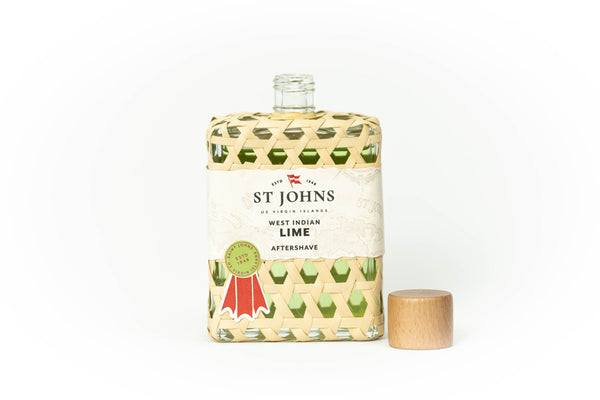
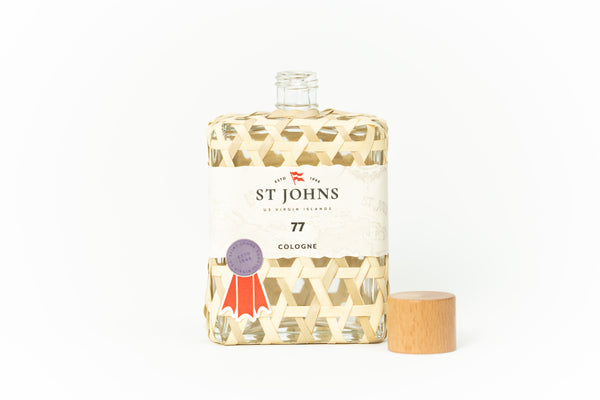
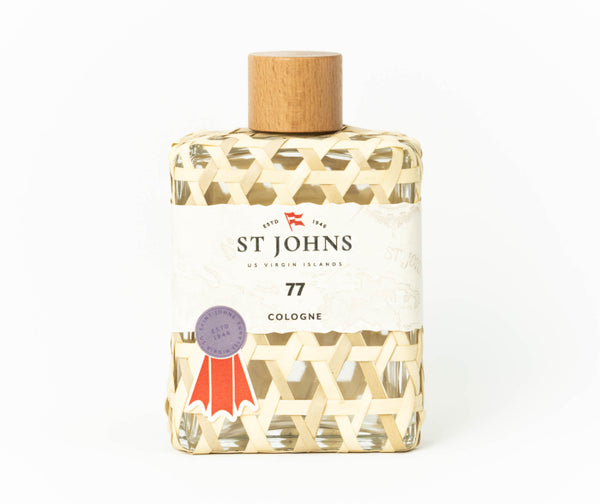
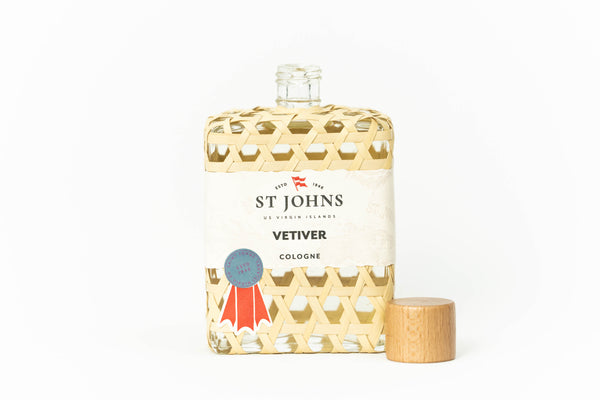
This is where heritage houses shine, and St Johns Bay Rum fits naturally into this approach because its style is built around ritual, craftsmanship, and wearability in real climates. When we know our base-note preferences, buying gets dramatically easier, and we stop chasing hype.
Make Notes Your Advantage
You don’t need a perfumer’s nose. You need a repeatable system. Start by naming the category you’re drawn to, then track the wear in three beats: opening, heart, and dry-down.
The goal isn’t to “guess right” once; it’s to learn what consistently feels good on your skin, in your climate, and in your day-to-day life. When you choose based on base-note comfort and real-world wear, blind buys drop, and signatures get easier to spot. Put that system to work and find your signature in our Aftershaves & Colognes for Men.