Indoor Air Quality: How Natural Fragrances Improve Your Home Environment

The house looks clean. Floors swept, laundry folded, clutter gone. But the air feels heavy, like it's been sitting there all day, and you only catch it when the room just doesn't feel fresh anymore.
At St Johns, we don’t buy the idea that freshness comes from spraying everything down. It’s simpler: crack a window, let the place breathe, handle whatever’s lingering, then add just a touch of scent. The kind that says “someone cares about this space” without announcing itself.
Why Indoor Air Quality Matters More Than Ever At Home
Most of us trust what we can see, so if the room looks clean, we assume the air is clean too. But indoor air traps dust, humidity, and old odors behind closed windows, and the home can feel tired even when it looks spotless.
We keep it simple: ventilate first, remove the source next, then add scent only if you still need it. Toss the trash, swap out damp towels, and address the source of the smell, because clean air is the canvas and fragrance is the finishing touch.
What Natural Fragrance Can (And Can’t) Do For IAQ
Clean air and good scent are not the same job. Ventilation and filtration do the heavy lifting, clearing out what makes a home feel stale, while fragrance comes last, shaping the mood with a quiet, cared-for finish.
Here’s the truth: scented products can still emit VOCs, and closed windows tend to trap them. “Natural” on a label isn’t a guarantee of low-emitting, so we choose thoughtfully and keep our hand light, aiming for a home that smells intentional, not overpowering, where clean-air habits serve the people living there, not the other way around.
Meet Your “Capsule Wardrobe” Scent Families For The Home
A well-run home doesn’t need endless scent profiles. Three dependable families can carry most rooms, most days, all year.
Citrus: The Clean, Sunlit Reset
Lime, bergamot, grapefruit, lemon peel; bright like open windows and clean linen, best for entryways and kitchens after cleaning.
Herbs & Greens: The Quiet, Airy Neutral
Rosemary, eucalyptus, basil, mint; crisp and uncluttered, ideal for bathrooms and home offices when you want a steady refresh.
Woods & Resins: The Warm Foundation
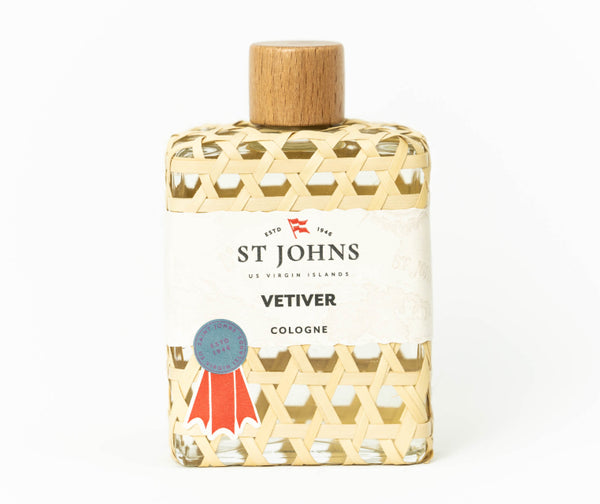
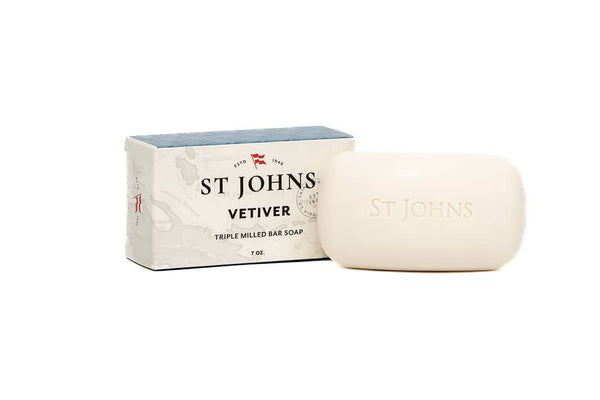
Cedar, vetiver, pine, frankincense-style warmth; grounded and evening-ready, made for living rooms and bedrooms, especially in cooler months.
With these three families, you can maintain a consistent home signature while still adapting to each room and season.
Step 1: Build The Clean-Air Foundation First (So Scent Stays Elegant)
Before we bring in natural air fresheners, we deal with what’s actually causing the smell. Trash out. Pet bedding washed. Filters swapped. Damp corners dried. If we skip that step, fragrance doesn’t solve anything; it just puts a nice jacket on a mess.
Then we let the home breathe. If the outdoor air is clean, we crack the windows and give the room a proper reset; if it isn’t, we lean on filtration, especially after cooking, smoking, or those dusty, grit-heavy days. One rule keeps us honest: if you can smell it from the hallway, it’s too much, so we pull back and let it feel refined.
Step 2: Choose The Right Delivery Method (Low Drama, High Reward)
A method-first approach keeps scent elegant in shared air.
Passive Options (Best For Everyday Freshness)
Sachets, cedar blocks, dried citrus, herb bundles; steady, subtle, and low-smoke by nature.
Quick Reset Options (Use Lightly, Then Let The Room Breathe)
Linen sprays and light-touch cleaning rinses: a slight mist, then ventilation, so freshness lifts without lingering.
Heat & Flame Options (Beautiful Mood, But Be Intentional)
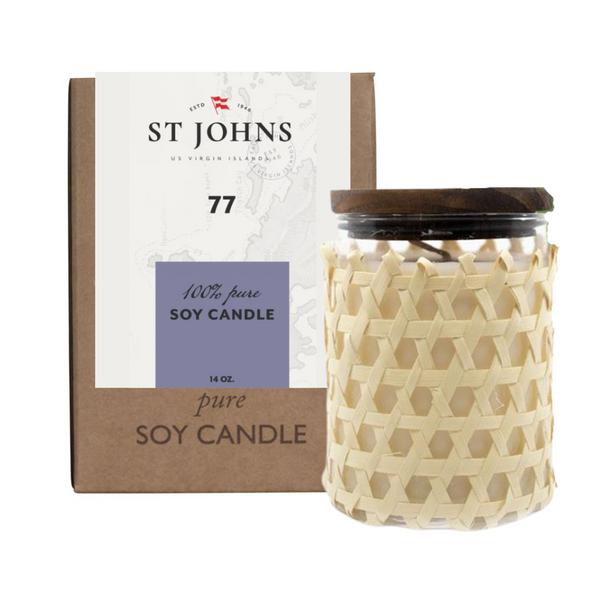
Soy candles; keep burns short, crack a window, and avoid stacking scent sources.
Diffusers & Essential Oils (Powerful, So They Need Boundaries)
Diffusers and essential oils; start low, especially in small rooms or sensitive homes, and let ventilation lead.
When the method fits the space, fragrance stays soft, shared, and easy to live with.
Step 3: Scent Your Home By Zone (So It Feels Designed, Not Masked)

A well-scented home does not smell “covered up.” It smells designed. Each zone gets the scent that fits its role.
Entryway: The First Impression
This is your greeting. Citrus or a light herbal note works best. Keep it passive so it never feels like an announcement. A good entryway scent feels like hospitality, not performance.
Kitchen: Neutralize Without Fighting Food
Ventilation first, always. Then, if needed, choose a citrus peel or a gentle herb note that complements the food rather than competing with it. The kitchen should still smell like dinner when dinner is the point.
Living Room: The Social Layer
This is where the house shows its personality. Herbs and greens keep things bright during the day. Woods and resins bring depth in the evening. Choose one anchor scent per main space to keep the room coherent, not chaotic.
Bathroom: The Clean Signal
Herbs and greens read as crisp and clean, which is precisely what you want here. Just remember how quickly small rooms saturate. In the bathroom, restraint is not optional. It is the whole game.
Bedroom: The Soft Finish
Keep it minimal. Keep it consistent. Think quiet background, not perfume cloud. The bedroom should feel like an exhale, not like a department store counter.
Once each zone has its own quiet purpose, the whole home feels coherent, as if every room were part of the same story.
How Season, Humidity, And Closed-Window Months Change Everything
In shoulder seasons (spring and fall), temperature swings can make scent feel inconsistent; crisp in the morning, heavier by evening, so we apply in smaller passes and reassess after ten minutes. If the air is damp or rainy, fragrance clings and lingers longer on fabric and in rooms, so one spritz on skin beats two on a hoodie. And if you’re running a heater or humidifier, remember the air is already “busy.” Keep the scent close to you, not broadcast throughout the space.
Make It A Ritual: Clean Air, Then Signature Scent

We believe in rituals because they turn simple maintenance into pride. We reset by taking out the trash and refreshing the linens. We ventilate when we can. Then we finish with one intentional scent note, citrus at the entryway in the morning, herbs in the office midday, and woods in the living space at night, until the whole home feels like it has a pulse again.
Finish The Room With One Intentional Scent
Clean air is the standard. Scent is the finish. Once you’ve ventilated, swapped the towel, and cleared whatever’s causing the stale air, you don’t need to “freshen” the whole house; you just need one signature note that makes the space feel cared for. Choose a scent family you’ll actually live with, keep the burn time short, and let it sit in the background as good design does. When you’re ready to add that quiet, refined final layer, shop our hand-wrapped St Johns soy candles.