Where to Spray Cologne: Best Pulse Points by Season, Fabric, and Occasion

The proper placement of fragrance transforms a scent from fleeting to unforgettable. Most of us spray on instinct: wrists, neck, shirt, then step out without knowing why the scent disappears by lunch some days, and feels too loud on others.
Placement matters because fragrance isn’t static once it hits skin. Pulse points, fabric choice, and weather all shape how a scent opens, projects, and settles into the hours ahead. When we learn where to spray, we stop chasing performance and start wearing scent with intention: clean, consistent, and built for real life.
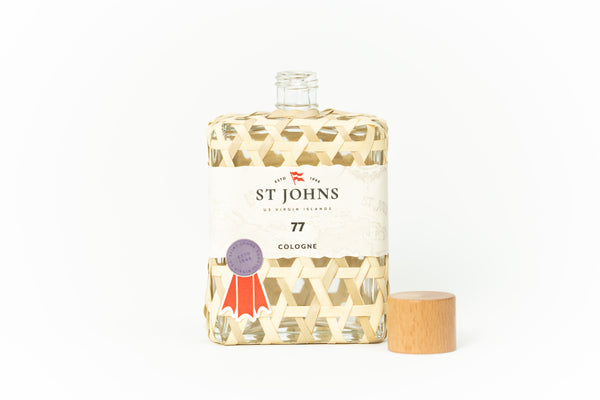
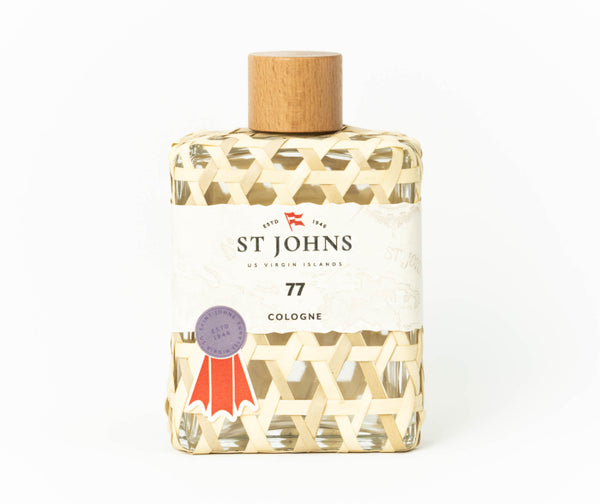
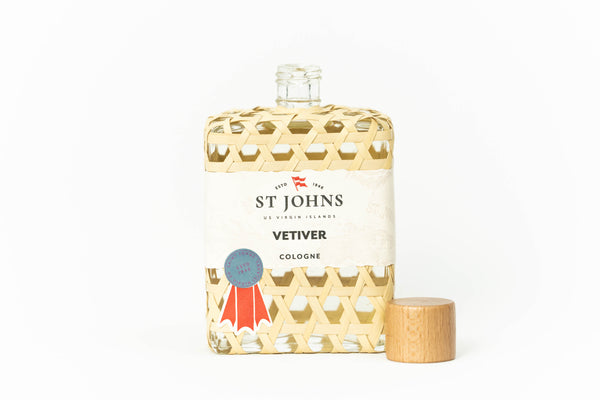
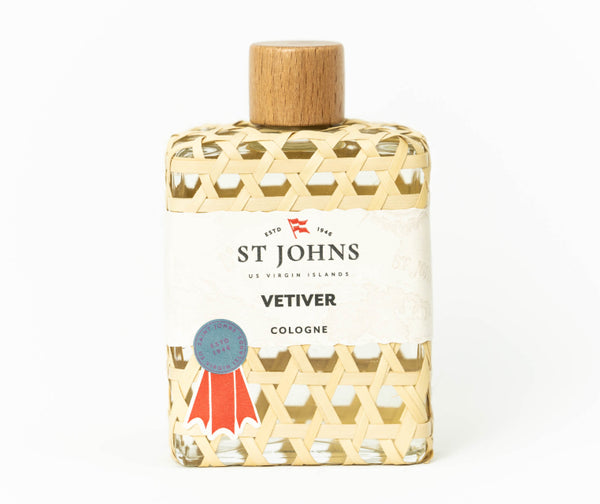
At St Johns, our heritage is Caribbean-born, and our formulas are built to perform from humid mornings to winter gatherings without losing their shape.
The Science of Pulse Points
Pulse points are areas where blood flows close to the surface, creating warmth that helps fragrance diffuse. That warmth lifts notes into the air and speeds evaporation, changing how quickly a cologne moves from its opening into its dry-down.
This is why the same scent can feel brighter on the neck than on the forearm, and why wrists can go quiet in cold weather. Our body heat becomes the engine of projection, and when we place cologne correctly, we let it perform the way it was designed to, without chasing it with extra sprays.
Where to Spray Cologne on the Body
The right spray points give controlled projection and a clean trail.
-
Neck and chest: The most reliable base for steady projection and a controlled, close-range trail.
-
Back of the neck: Ideal in humidity because it stays subtle and lasts longer as we move.
-
Wrists (optional): Use sparingly, and don’t rub. Let the top notes open on their own.
-
Behind ears and inner elbows: Great for evenings because warmth rises slowly and feels intimate.
Keep the technique clean: spray from 5–6 inches away, and aim for skin first. Clothing can come later, but skin is where fragrance actually evolves. Once we know the core placements, we adjust them with the season instead of changing the scent.
Adjusting by Season: Warm vs Cool Weather
Season decides whether our cologne needs restraint or a little more depth.
Spring and Summer
Heat and humidity amplify projection, so fewer sprays read more refined. We place fragrance on cooler points like the back of the neck and chest, and we avoid stacking sprays on the hottest zones, where the opening can turn sharp fast.
Think of warm weather as a white shirt moment: the cleanest version of the scent wins. When we keep placement tight and measured, the fragrance stays fresh rather than becoming busy.
Fall and Winter
Cold air softens projection, and layers change how scent moves, trapping it close and releasing it slowly. This is where chest sprays under clothing work beautifully, letting warmth build over time so the fragrance stays present without flooding the room.
A controlled routine in cold weather can carry us from dawn to dusk, from coat-on mornings to indoor evenings, without needing a mid-day reset.
After the season, the next choice is whether we want our cologne to live on skin, fabric, or both.
Fabric vs. Skin: When (and How) to Spray Clothes

Skin gives development, fabric gives staying power, and the difference matters. If we’re spraying fabric, we treat it like tailoring: test once on an inner seam first, and keep the mist light.
On skin, cologne develops naturally with warmth and movement. On fabric, it can last longer and project more consistently, but it may lose some complexity because fabric does not heat and evolve notes the same way.
If we spray clothes, we do it with discipline:
-
Best fabrics: cotton, wool, linen.
-
Avoid: silk and many synthetics, which can stain or hold scent sharply.
-
Distance: hold 8 to 10 inches away for a mist, never a direct blast.
-
For Eveningwear: A single light mist on outerwear is enough—just an echo, never a cloud.
Cologne should live on us, not in the air around us. The goal is a refined trail, not a room-filling announcement.
With skin and fabric handled, we can match pulse points to the moment we’re dressing for.
Choosing the Right Pulse Points by Occasion
The same cologne can be worn differently depending on where we place it in the room we’re walking into.
-
Office: 1 to 2 sprays on chest or back of neck; clean presence for shared spaces.
-
Evening Out: neck plus inner elbow, intimate projection that builds throughout the night.
-
Outdoor Day Events: lighter chest application, and a tiny collar interior mist only if needed.
-
Formal Occasions: controlled projection under layers, then keep everything else quiet (unscented deodorant, minimal competing products) so the trail feels intentional.
Placement becomes part of personal style. When we wear cologne with restraint, it reads confident because it feels considered rather than performed.
When placement matches the occasion, fragrance stops being an accessory and becomes a signature.
Let the Craft Speak
The most refined cologne routine is not complicated; it is consistent. Pulse points give warmth and diffusion, season changes intensity, and fabric decides whether we want projection or development.
The standard is simple: placement, not quantity, is what reads sophisticated. When we spray with intention, the scent stays closer, wears cleaner, and becomes more memorable because it follows us naturally instead of announcing us.
St Johns was born in the Caribbean and built to perform beautifully anywhere, from humid mornings to winter gatherings, with the same quiet confidence.
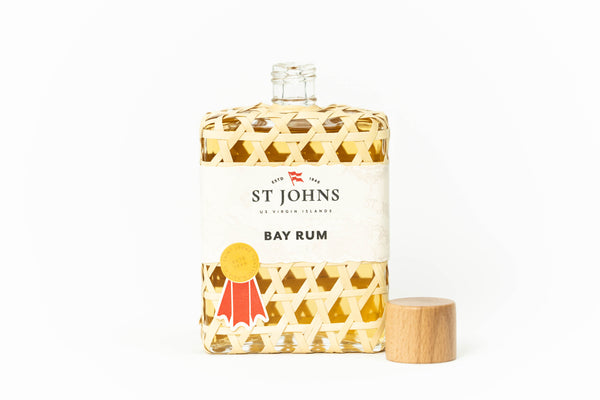
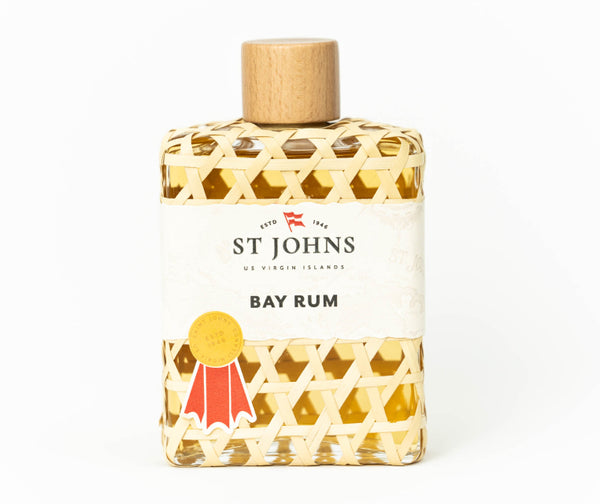
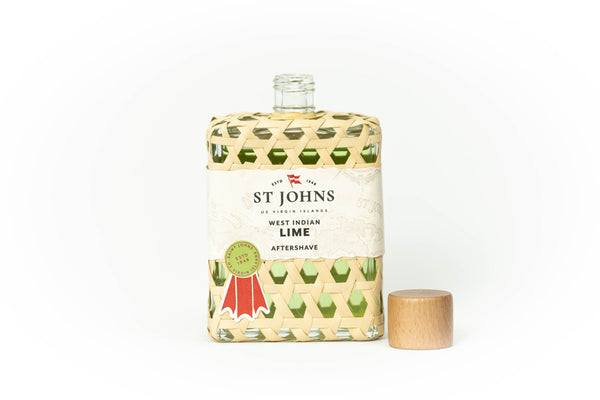
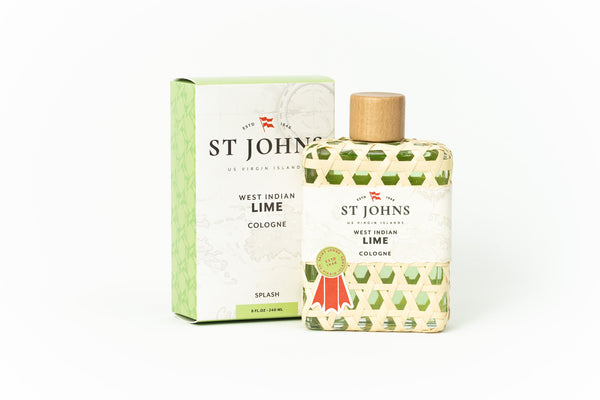
Explore our Bay Rum and Lime Colognes, crafted to wear clean across pulse points, fabric, and season.